From July 20 to 23, 2026, a 14-member delegation composed of faculty and students of the School of Government of Shenzhen University and scholars from partner universities, accompanied by Professor Jang Yun-mi of Dongseo University, Korea, conducted four days of academic exchange and field research in Seoul and Busan, Korea. The delegation included Professor Yu Keping, Chair Professor at Peking University and Dean of the School of Government at Shenzhen University; Professor Chen Wen, Executive Dean of the School of Government; Professor Gu Zhijun, Vice Dean; Professor Tang Juan; Associate Professor Yuan Chao; Assistant Professors Guo Jing and Feng Xiucheng; and five graduate students, as well as Professor Liu Zhaoxin, Vice Dean of the School of Politics and Public Administration at Zhengzhou University, and Associate Professor Li Yan of the School of Humanities and Social Sciences at the University of Science and Technology Beijing.
The visit focused on topics such as building China's own academic discourse system, university talent policies, social governance in megacities, and the provision of grassroots social welfare. Combining thematic briefings, academic seminars, discussion meetings, and field visits, the delegation gained an in-depth understanding of relevant practices of Korean universities, research institutions, and social service organizations, further expanding exchanges and cooperation between the Chinese and Korean sides in academic research, talent cultivation, and urban governance. "Urban governance" is a key area and distinctive direction of discipline development at the School of Government and the Institute of Global Megacity Governance of Shenzhen University. This study visit was one of the activities in the "Global Urban Governance Survey" series.
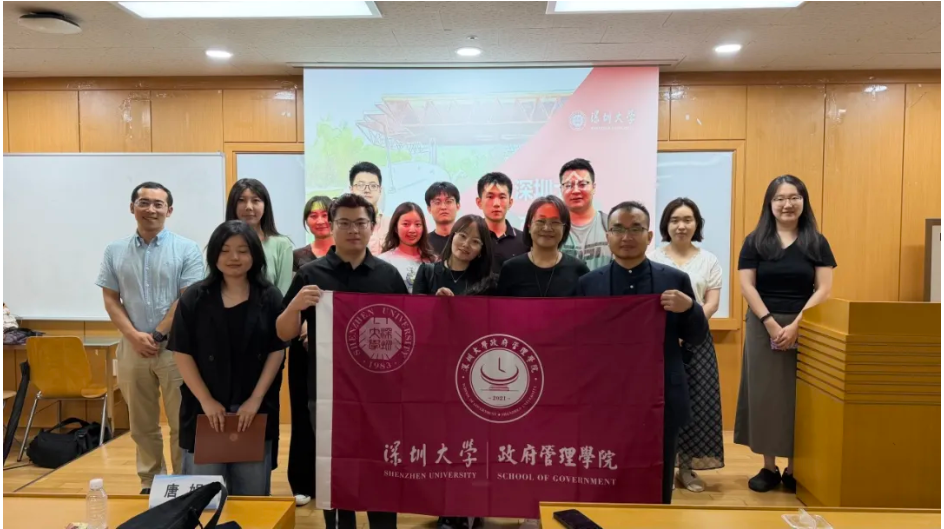
On the afternoon of July 20, the delegation's first stop was Seoul National University, where it introduced Shenzhen University's talent policies to relevant faculty and students. The delegation presented Shenzhen University's talent recruitment mechanisms, talent development environment, and related support policies, and exchanged views with Korean faculty and students on building university talent teams, international talent exchange, and the growth and development of young scholars, further deepening their understanding of Shenzhen University's development and talent policies.
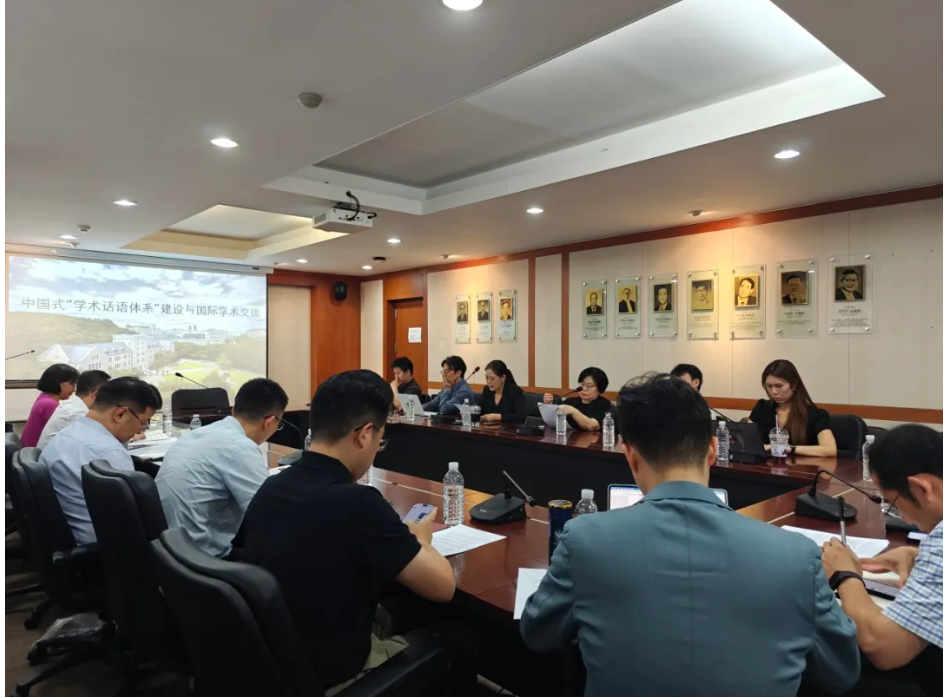
On the afternoon of July 21, the delegation visited the Asiatic Research Institute of Korea University. The delegation was received by Professor Lee Jong-nam, Director of the institute's Center for Chinese Studies, and Professor Jung Joo-young of Yonsei University, among others, and the two sides held a seminar on the theme "Building a Chinese Academic Discourse System and International Academic Exchange." In his remarks, Professor Yu Keping systematically expounded the core issues of building a Chinese academic discourse system, noting that China's mainstream culture is undergoing profound transformation and will produce a new cultural form that integrates fine traditional Chinese culture, modern Western civilization, and the Marxist tradition. In response to the question raised by Korean scholars about the applicability of Chinese discourse in international academia, participating faculty and students offered further responses.
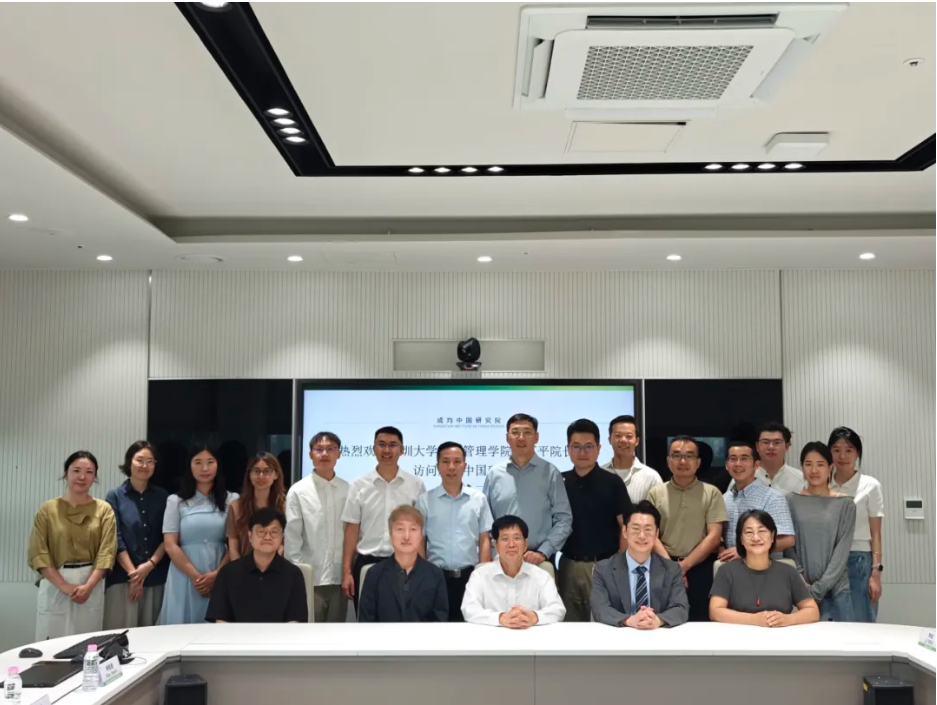
On the morning of July 22, the delegation visited the Sungkyun Institute of China Studies at Sungkyunkwan University. According to the institute, it has been listed in Korea's "Top 100 Think Tanks" in the diplomacy and security category, and is the only institution on the list whose primary research object is China. During the discussion, Korean scholars including Professor Lee Jong-hyuk, Director of the Sungkyun Institute of China Studies, Professor Cho Sung-min, and Professor Jeon Seong-heung of Sogang University exchanged views with the delegation on issues such as political polarization in Korea, national development models, and semiconductor industry policy. The Chinese scholars shared China's practical experience in maintaining political and social stability, advancing industrial innovation with independent capabilities, and developing artificial intelligence. Both sides expressed the hope of establishing regular cooperation mechanisms in faculty and student exchange, mutual recognition of credits, and joint research.
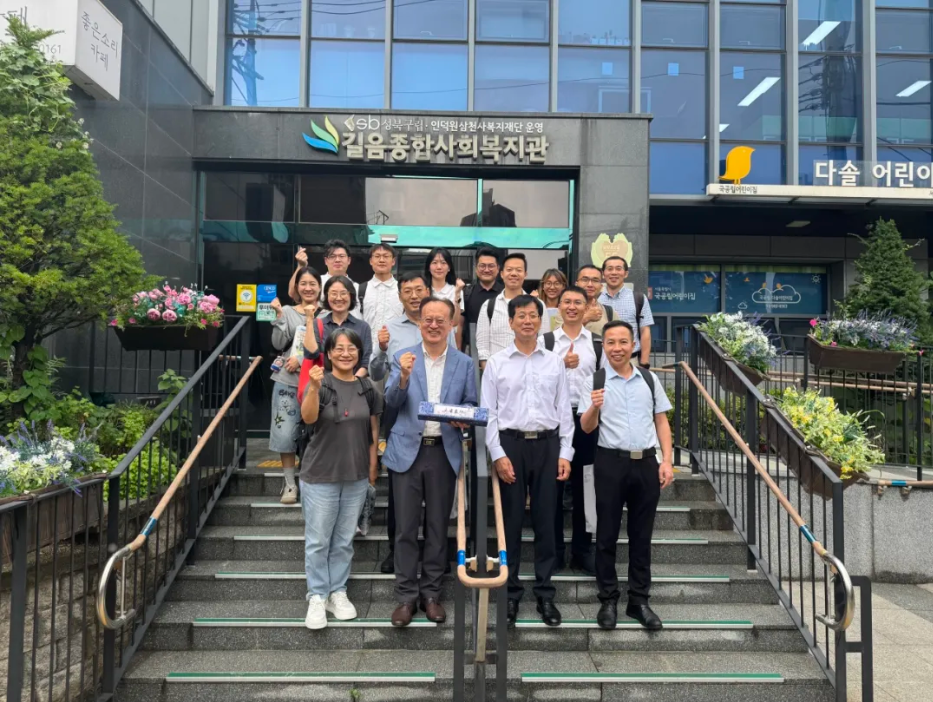
Alongside the academic seminars, the delegation went deep into communities to observe social governance practices. On the afternoon of July 22, the delegation conducted field research at the Gireum Comprehensive Social Welfare Center in Seongbuk-gu, Seoul. The center focuses on linking the resources of local governments, social organizations, volunteers, and community residents to foster a community-based network of shared, mutual-aid services. These practices offer useful references for megacities in China as they improve community public service systems and explore multi-actor participation in grassroots governance.
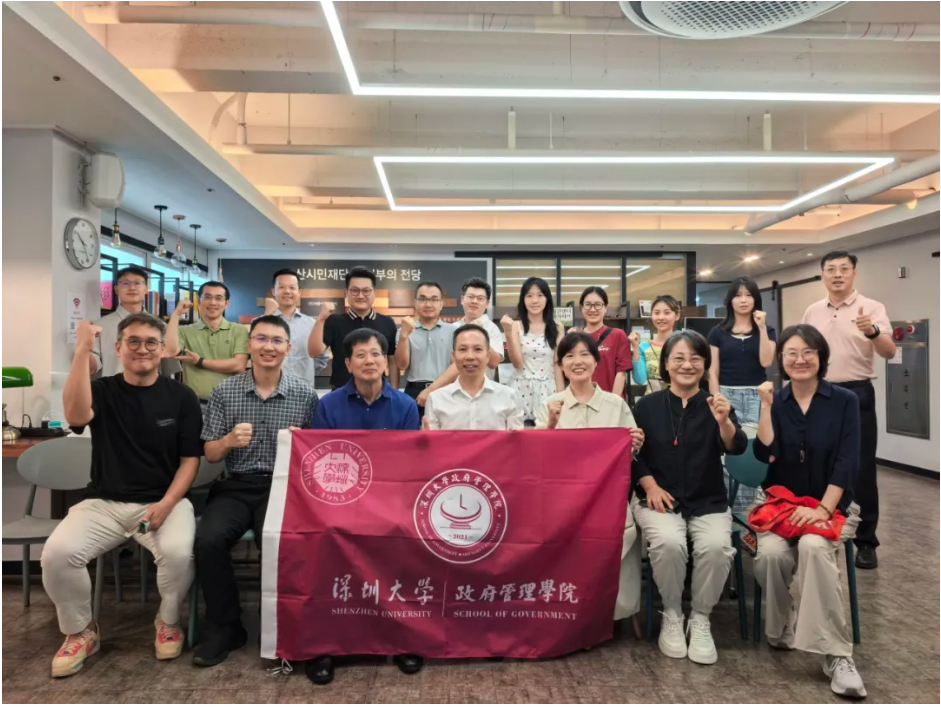
On the morning of July 23, the delegation visited the Busan Citizens' Movement Support Center for research. An open support platform for civic activities serving citizens and social organizations, the center mainly performs functions such as shared activity space, education and training, organizational collaboration, and information services. The two sides focused their exchanges on funding sources, budget management, and the city council's audit and oversight mechanisms, and held in-depth discussions on how to ensure project continuity and the sustainable development of the organization now that its supported causes have expanded from traditional civic movements to diverse public-interest fields such as disability rights and environmental protection.
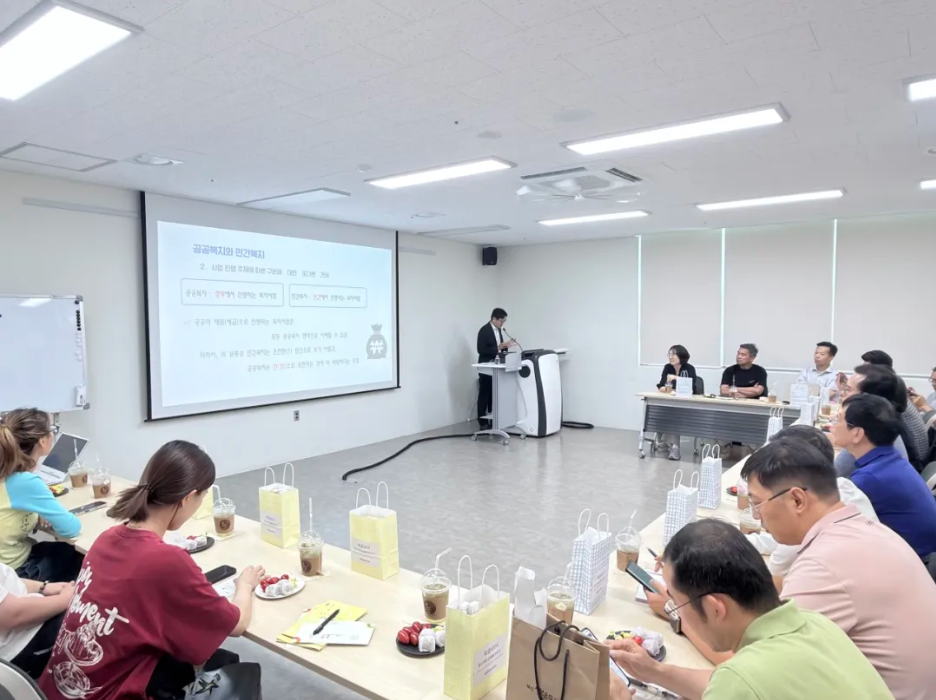
On the afternoon of July 23, the delegation visited the Busan Metropolitan City Social Welfare Council for an exchange visit. As an important consultative and coordinating body for social welfare in the Busan region, the Council mainly undertakes welfare policy research, inter-agency collaboration, education and training, volunteer services, and the linking of social resources. The two sides discussed government purchase of social services, the integration of welfare resources, and the prospects for applying artificial intelligence in welfare services. Both sides agreed that the development of social welfare requires an organic combination of government guidance, professional agency operations, and volunteer participation, and reached consensus on establishing a regular exchange mechanism between the social work discipline of the School of Government of Shenzhen University and the Council.
The visit to Korea organically combined theoretical seminars with field observation, further deepening the delegation's understanding of academic research, urban social governance, and grassroots welfare service practices in Korea, broadening the international horizons of its members, and laying a foundation for practical cooperation between Chinese and Korean universities and institutions in academic research, talent cultivation, and social governance.
Layout: He Gengyi
First Review: Xiao Chuanlong
Second Review: Yuan Chao
Final Review: Gu Zhijun