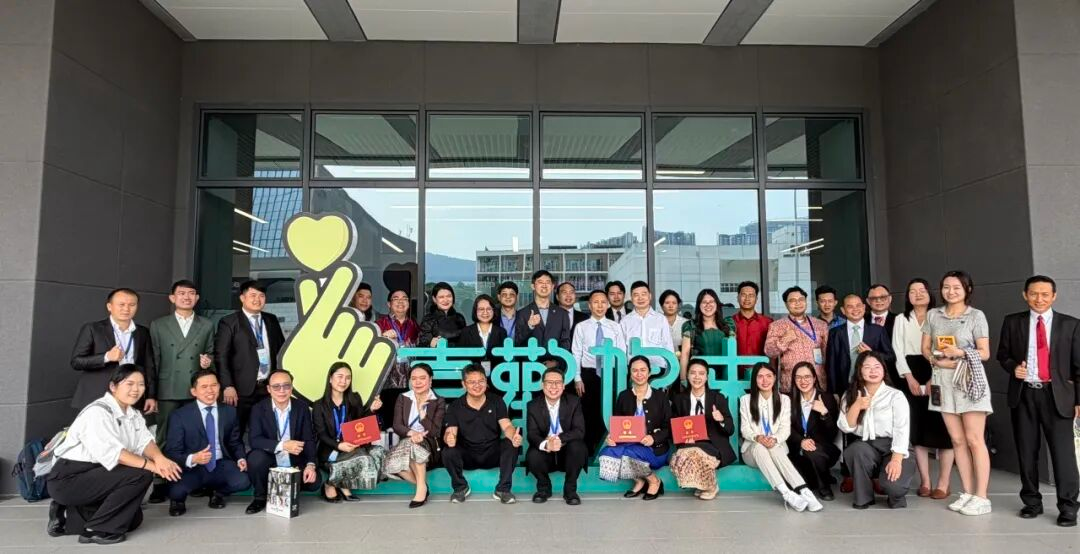
On the afternoon of September 7, 2026, the closing ceremony of the Ministry of Commerce (MOFCOM) Seminar on "Building a Peaceful Homeland Together with Neighboring Countries" was successfully held at Shenzhen University. The training sessions of the seminar, held from September 5 to 7, were hosted by the School of Government of Shenzhen University and jointly organized by the University's MPA Education Center and Greater Bay Area–ASEAN Research Center. The seminar brought together nearly 30 government officials from five countries — Malaysia, Thailand, Laos, Cambodia, and Mongolia. Centered on the twin themes of security and development, it deepened mutual learning in governance experience through thematic lectures, seminars, and field visits, as participants explored the future of peaceful development in the neighboring region.
Exploring New Frontiers and Sharing Governance Wisdom
This stage featured three core thematic lectures. Building on the accumulated strengths of the public administration discipline and the development practice of the Guangdong–Hong Kong–Macao Greater Bay Area, the lectures focused on three core topics — regional cooperation, urban governance, and technological innovation — offering sessions that combined theoretical depth with practical value.
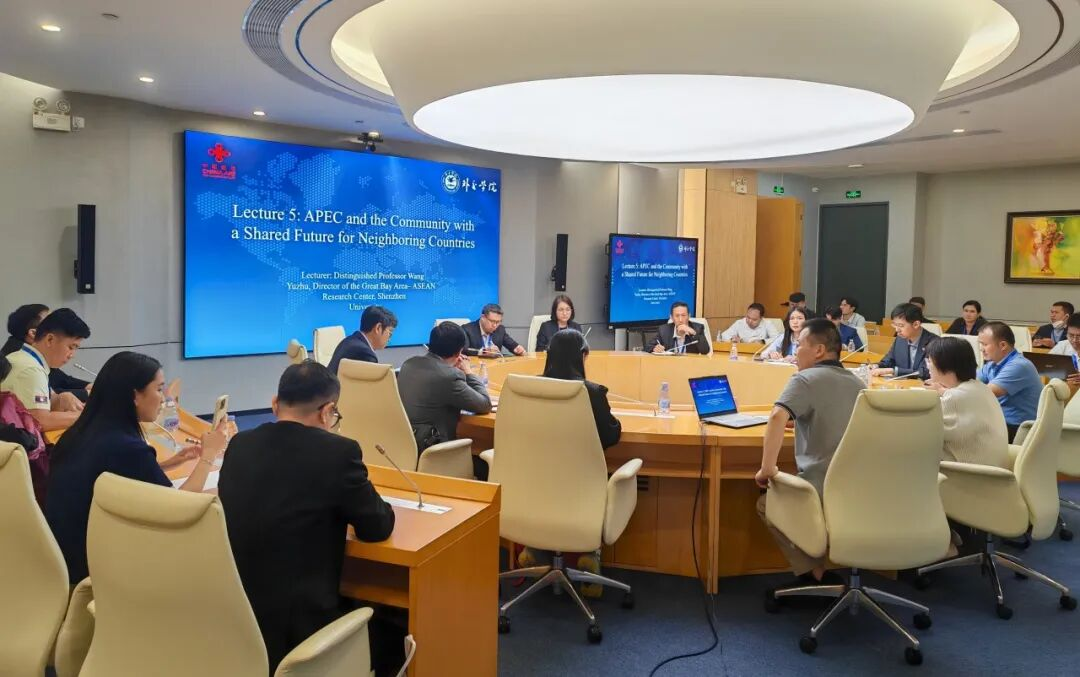
On the morning of September 5, Wang Yuzhu, Director of the Greater Bay Area–ASEAN Research Center and Distinguished Professor at Shenzhen University, delivered a lecture entitled "Shenzhen Elements and the Building of an Asia-Pacific Community: APEC in Historical Perspective." He systematically traced the evolution of APEC, explained pathways for building an Asia-Pacific community, and, drawing on Shenzhen's practice, interpreted the city's unique value and role in Asia-Pacific economic and trade cooperation, institutional opening-up, and industrial synergy.
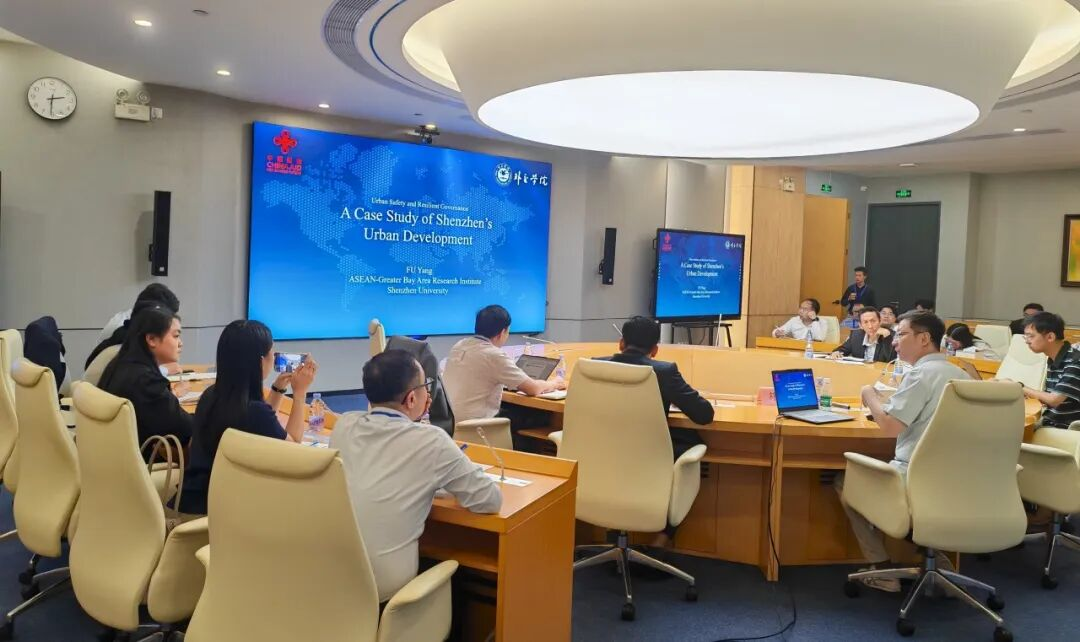
On the same afternoon, Fu Yang, Deputy Director of the Greater Bay Area–ASEAN Research Center, gave a lecture on "Urban Safety and Resilient Governance: The Case of Shenzhen's Urban Development." Linking the evolution of Shenzhen's urban geography with the growth of its rail transit network, he systematically analyzed the practical logic of urban governance in Shenzhen, arguing that rail transit — which reshapes urban form and culture — constitutes an important theme connecting past, present, and future.
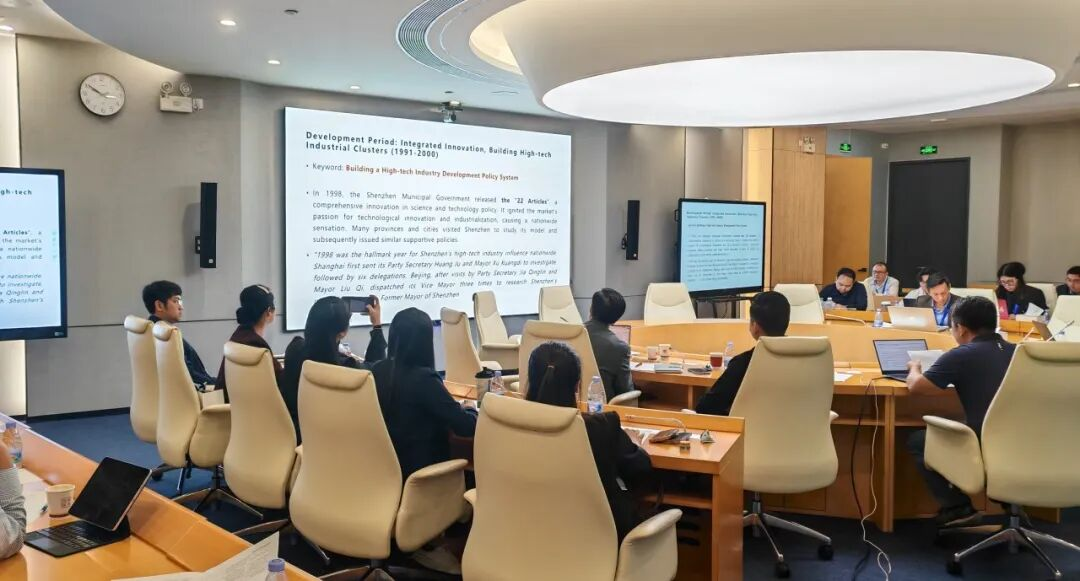
On the morning of September 6, Luo Wen'en, Director of the MPA Education Center of Shenzhen University, lectured on "The Evolution of Shenzhen's Science, Technology and Innovation Policies from the Perspective of Security and Development." He traced the trajectory of Shenzhen's science, technology and innovation policies and, from the dual perspectives of security assurance and development-driven growth, interpreted the city's institutional innovation, governance model, and practical achievements, presenting the Shenzhen model of technology-empowered high-quality urban development.
Two-Way Interaction and Mutual Learning in Governance
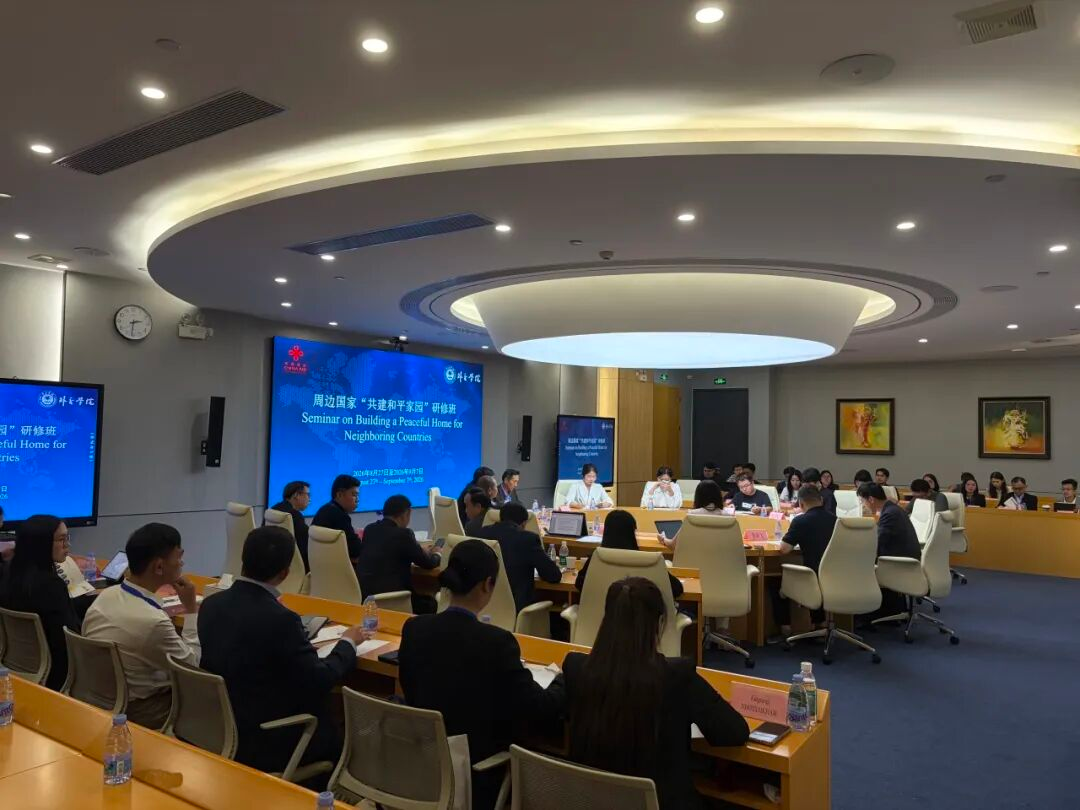
On the afternoon of September 6, the seminar "Building a Peaceful Homeland: Urban Public Governance in Practice — An Exchange between Officials from Neighboring Countries and Shenzhen Civil Servants" was held in the Shouzheng Building. More than ten MPA students from Shenzhen University joined the seminar, where Chinese and foreign participants held in-depth dialogues and exchanged experience on a wide range of topics including urban governance, digital security, talent attraction and cultivation, and public services. Through the interactions, the two sides deepened mutual understanding and learned from each other: the exchanges showcased achievements and best practices in Chinese urban governance while drawing on the governance wisdom of neighboring countries, building a bridge of communication for deepening bilateral and regional practical cooperation.
Uniting Knowledge and Action to Continue the Chapter of Peace
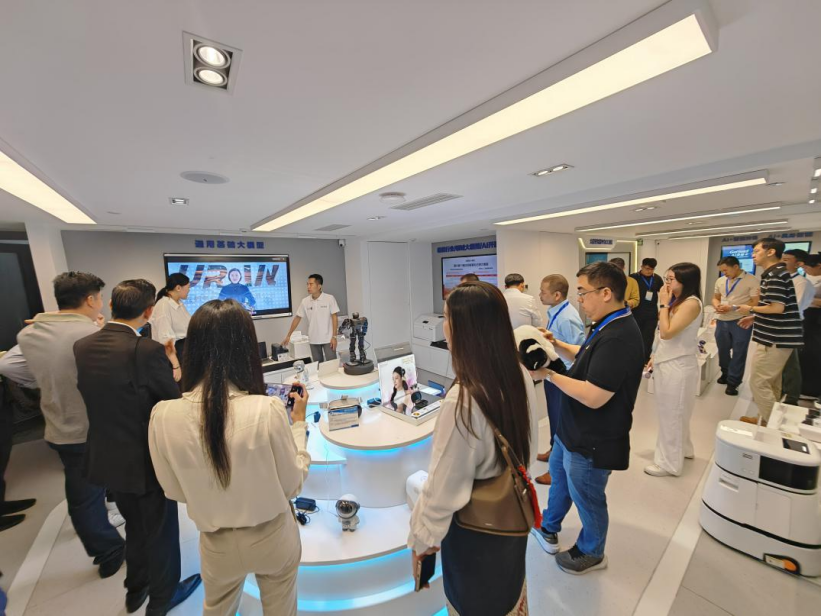
On the morning of September 7, the participants visited the Shenzhen Eco-Science and Technology Park for field visits to the Nanshan District Federation of Social Organizations and the Shenzhen Artificial Intelligence Industry Association, gaining first-hand insight into the ecosystem of social organizations, the layout of the AI industry, and achievements in technological innovation in Shenzhen. Experiencing at first hand the vitality of Shenzhen's industries and the innovative practice of its social governance, they combined classroom theory with on-site observation and deepened their understanding of the Shenzhen development model.
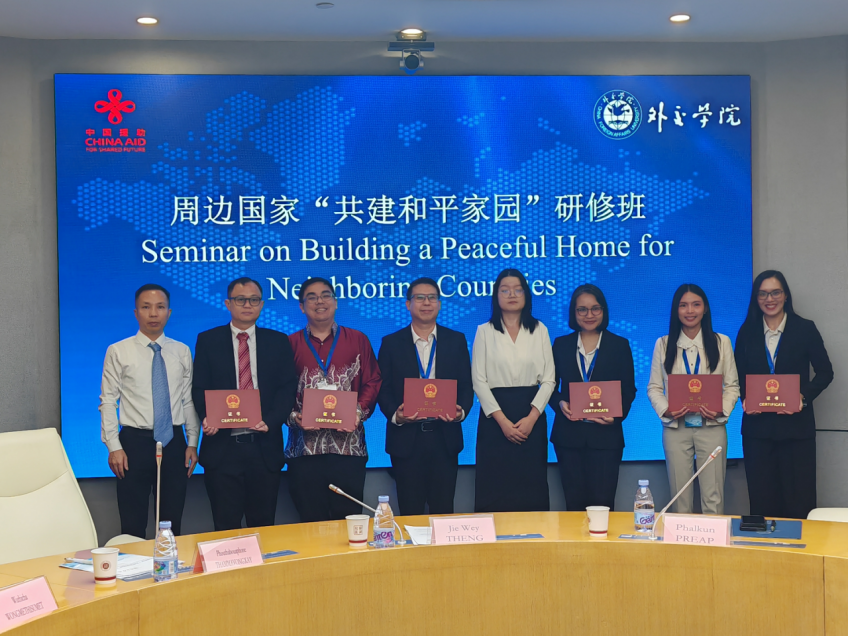
On the afternoon of September 7, the closing ceremony of the seminar was held at the Lihu Campus of Shenzhen University. Yang Yue, Deputy Director of the Institute of Asian Studies at China Foreign Affairs University (online), and Chen Wen, Executive Dean of the School of Government at Shenzhen University, attended and addressed the ceremony. Congratulating the seminar on its successful completion, they expressed the hope that participants would take the program as a bond to continuously deepen mutual learning in governance and friendly people-to-people and cultural exchanges, jointly contributing to peace, stability, and mutual development in the neighboring region. Executive Dean Chen Wen and Wang Dong, Lecturer at the Institute of Asian Studies of China Foreign Affairs University, jointly presented certificates of completion to the participants.
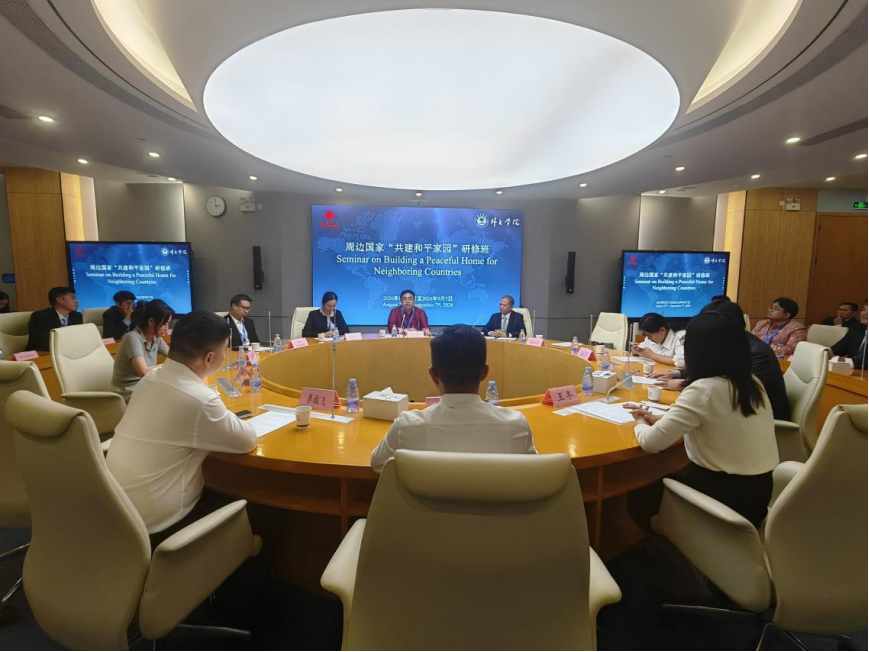
All participants reviewed the entire course of study and visits, and representatives of the participants from each country shared their gains and reflections in turn. The participants said one after another that the program had deepened their understanding of China's development path and governance experience and strengthened their friendship with neighboring countries, and that they would apply what they had learned to their own countries' development practice, jointly promoting peace, stability, and development in the neighboring regions.
The twelve-day Seminar on "Building a Peaceful Homeland Together with Neighboring Countries" was organized in two stages — Beijing and Shenzhen — attracting nearly 30 government officials from five neighboring countries: Thailand, Cambodia, Laos, Malaysia, and Mongolia. As the organizer of the academic program in the Shenzhen stage, the MPA Education Center and the Greater Bay Area–ASEAN Research Center of Shenzhen University gave full play to the strengths of the public administration discipline and the distinctive advantages of the Guangdong–Hong Kong–Macao Greater Bay Area, completed all teaching and reception tasks with high quality, and provided the seminar with an excellent platform for academic exchange, practical observation, and friendly interaction. The successful holding of the seminar further deepened people-to-people and cultural exchanges and mutual learning in governance between China and its neighboring countries, contributing the strength of Shenzhen University to jointly building a peaceful homeland in the neighborhood and advancing a regional community with a shared future.
Layout: He Gengyi
First Review: Wang Wenjing
Second Review: Luo Wen'en, Li Shufei, Fu Yang
Final Review: Gu Zhijun